

Bee Health And Queen Questions


Is the Queen Marked?
No, not normally.
Occasionally there will be a marked queen, but we do not normally mark queens.
This is a process that is best done as the queens are being caged from the mating nucs before shipping from the suppliers or from our own mating yards.
Once the queens are released into the colony, they can be caught and marked with special water based marking pens. Visit the Queen Maintenance section for more about marking queens.


Is the Queen Caged?
No, not normally.
Occasionally we will provide a colony with a caged queen. If that is the case, you will be informed at pickup.
When we do use a caged queen, the cage will have a time-release candy tube installed, so no action is required to release her.
However, it is always a good idea to check within a few days to make sure she was released and is moving around the colony freely.
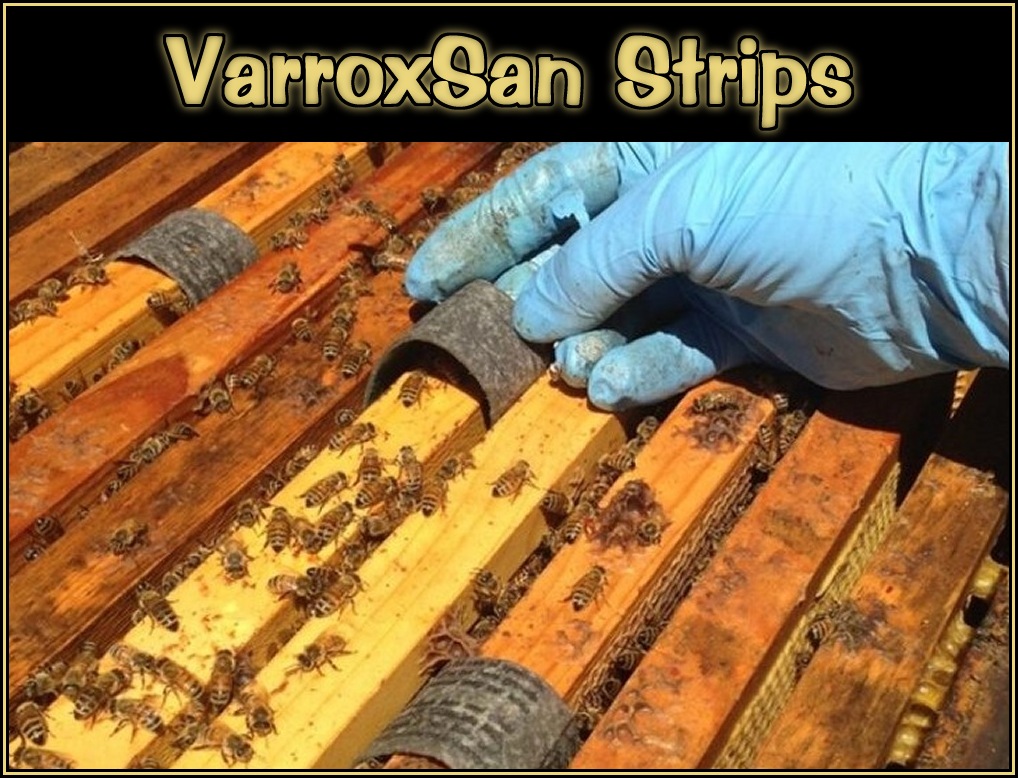
When Were the Bees Last Treated for Mites?
The bees we offer are typically treated with either an Apivar strip or a VarroxSan strip as we make the splits we use to make nucs. This happens during the week they are brought into our location for pickup the following weekend. So basically, they are given a maintenance treatment right before they are released and should be good for the next few months.

Both of these extended-release treatments are designed to remain in the hive for six weeks (Apivar) or up to 75 days for VarroxSan after you receive the bees, for a total of three months for the treatment.
This treatment schedule is intended to provide protection for approximately three months, including the time the strip is in place and the period afterward.

When Is the Next Mite Treatment Needed?
If all is normal, a follow-up treatment is usually not needed for about six weeks after the initial treatment period ends. Or three months after picking up the bees from our location.
We check colonies quarterly and treat as needed rather than following a fixed calendar schedule.

Are These Bees VSH?
Even though the bees we offer are VSH lines, they are still subject to varroa mite pressure.
VSH traits help, but they do not eliminate the need for monitoring and treatment when conditions require it.

How Do We Check for Mites?
We recommend checking for mites periodically using the alcohol wash method.
Many factors in nature, including mite immigration, can affect mite levels in a hive.
Visit the Varroa Mite section for more information.

Treatment Rotation and Effectiveness
When treatments are used, rotating treatment methods and rechecking afterward helps confirm that the treatment was effective.
Colonies should be monitored every two to four months and addressed as conditions change.

Additional Information
More detailed information about mite monitoring and treatment options is available in the Varroa Mites section of our website.
Additional educational material can also be found in the Educational section.
