

Hive Faqs


When Do We Remove the Entrance Plug?
The bees are ready to get out and fly as soon as the hive is placed in its permanent location.
- Once the hive is set down where it will remain, we remove the entrance plug.
- Opening the entrance allows the bees to ventilate and begin orienting to their new location. Sooner rather than later on warm days, so they can go get water to keep the nest cool.

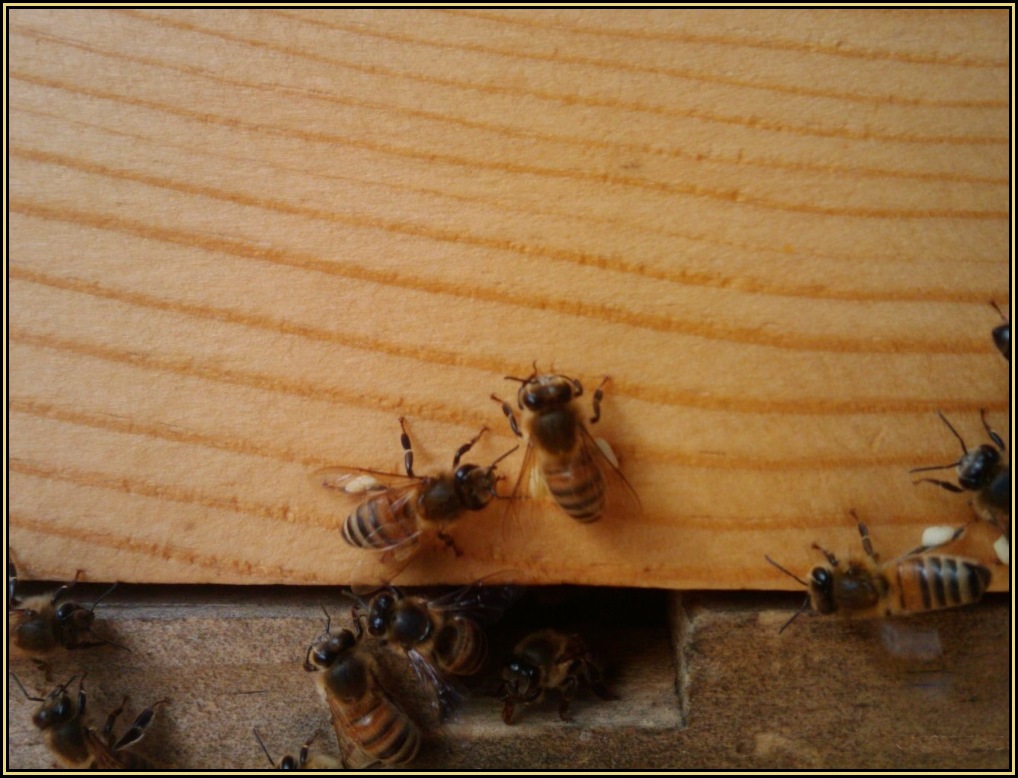
Entrance Reducers
- A smaller entrance is easier for a young or newly moved colony to defend.
- Even strong colonies can experience robbing pressure, especially during certain times of the year.
- Temporary traffic buildup at the entrance is normal and usually not a problem.
If traffic becomes heavy and there is no robbing activity, adding a small upper entrance is often a simple solution.

How Heavy Are the Hives?
Complete hives are manageable for most people, but they do have some weight.
- Nucs with bees typically weigh around 25 to 30 pounds.
- Complete starter hives can weigh up to 50, about 10 to 15 pounds more than nucs.
- We load the hives at pickup, but some people prefer help when unloading at home.
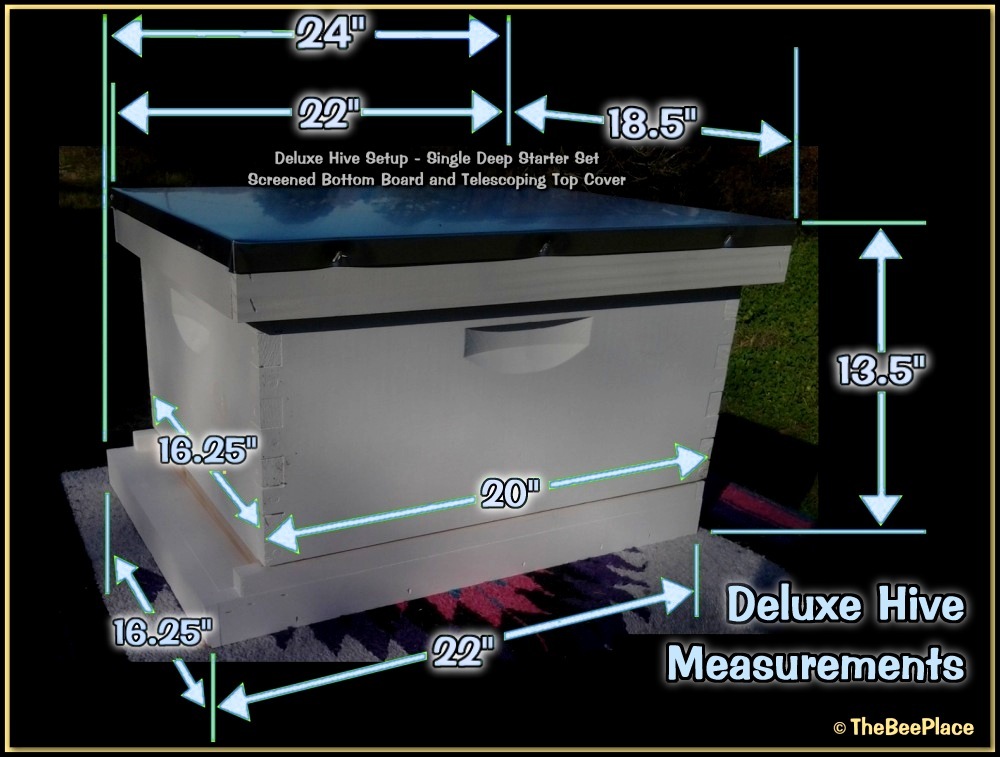
How Much Space Do the Hives Take?
Hive dimensions are useful for planning vehicle space and hive stand arrangements.
- Standard Langstroth 10-frame hives have consistent dimensions.
- Graphics provided on this page can help with vehicle planning and stand construction.
- A simple hive stand can be made using stacked cinder blocks.

Are the Hives Stackable for Transport?
Hive components are designed to stack securely.
- Boxes are stacked in their normal configuration.
- Hives are held together with ratchet straps during transport.
- The straps are included and can be reused for storm protection or animal deterrence.

How We Secure Full Hives for Transport
Complete hives are heavy enough that they usually do not need to be strapped down, unless they are being stacked.
- Ratchet straps are used to keep hive components together during transport.
- Short fuel stops are not a concern.
- Extended stops during hot weather require shade and airflow.
As with any live animals, bees should not be left in direct sun or excessive heat when the vehicle is not moving.
Bees need water and to keep the hive cool when the weather is warm. They can tolerate the heat for brief periods as long they have proper ventilation. Allowing them to fly, sooner rather than later, once they are at their final destination is advised.

Final Notes for Hive Buyers
Once a hive is placed, opened, and allowed to ventilate, there is usually nothing else that needs to be done right away.
The bees will handle the rest as they adjust to their new location.
Visit the additional Beekeeping Help and Educational sections for more.
