

Transporting Bees

Transporting live honey bees is straightforward when a few basic guidelines are followed. The information on this page will help you understand what to expect during transport and how to keep you and your bees safe, calm, and healthy while traveling to their new location.
This guidance applies whether you are transporting a nuc, a complete hive, or multiple colonies.

Keeping Bees Cool During Transport
Bees can overheat quickly if airflow is restricted or if they are left in direct sunlight. During transport, it is important to keep your bees cool and well ventilated at all times.
- Do not leave bees in direct sunlight while they are closed up.
- Ensure good airflow around the hive or nuc during transport.
- Moving vehicles provide airflow that helps regulate temperature.
- Avoid stopping for extended periods during hot weather.
Keeping bees cool is the single most important factor in safe transport when the weather is hot (above 90)


What to Expect While Driving
It is normal to see a small number of bees on the outside of the hive or nuc during transport. These bees are attempting to stay with the colony and are not looking to defend or attack.
Bees being transported are generally calm, especially when kept cool and undisturbed. This behavior is normal and should not be cause for concern.

Loose Bees and Passenger Safety
It is possible for a few bees to find there way into the vehicle during transport. This is not an emergency and should not cause panic.
- Remain calm and avoid sudden movements.
- Lower the vehicle windows slightly to allow the bee to exit.
- Focus on driver comfort and safety at all times.
Bees that leave the colony are typically trying to return to the hive and are not aggressive in this situation.
Nets, Bags, and Containment Options
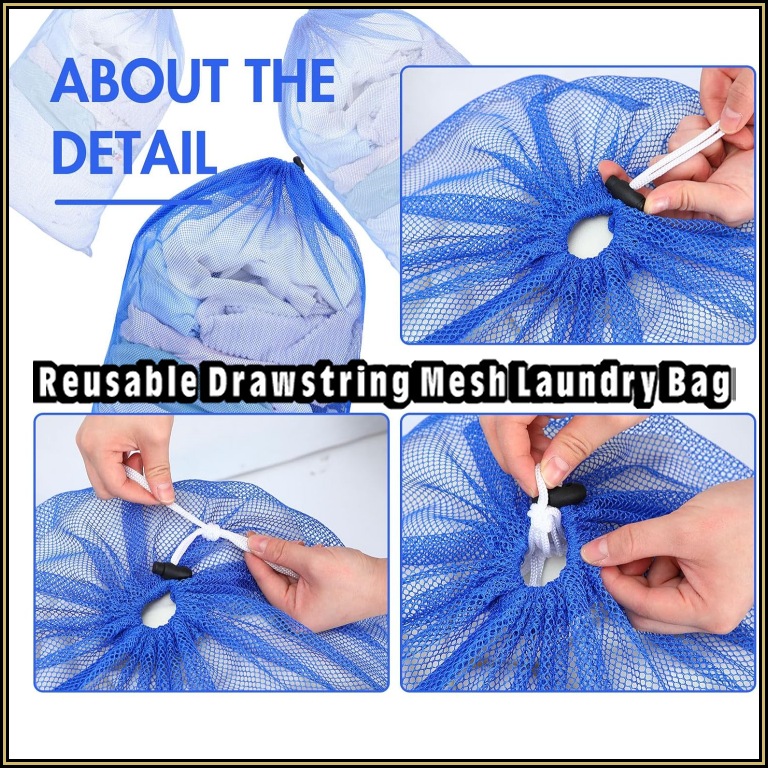
Some customers prefer to use mesh bags or nets during transport for added peace of mind, especially when transporting bees inside a vehicle. Nets are not required for safe transport, but may be used if they make you or your passengers more comfortable.
- Nuc orders include a mesh net bag if needed.
- Net bags are available for nucs only.
- Net bags are not provided for complete hives.
- Pickup trucks typically do not require netting.
Mesh net bags are primarily used to contain any stray bees on the outside of a nuc during transport. They are not intended to restrain bees inside the colony and are not required for normal transport.
Customers are welcome to bring their own mesh bags or netting if preferred. Large mesh laundry bags work well for nucs and are commonly available at Dollar Stores and online retailers.

Securing Bees in Your Vehicle
Bees should be secured to prevent shifting during transport.
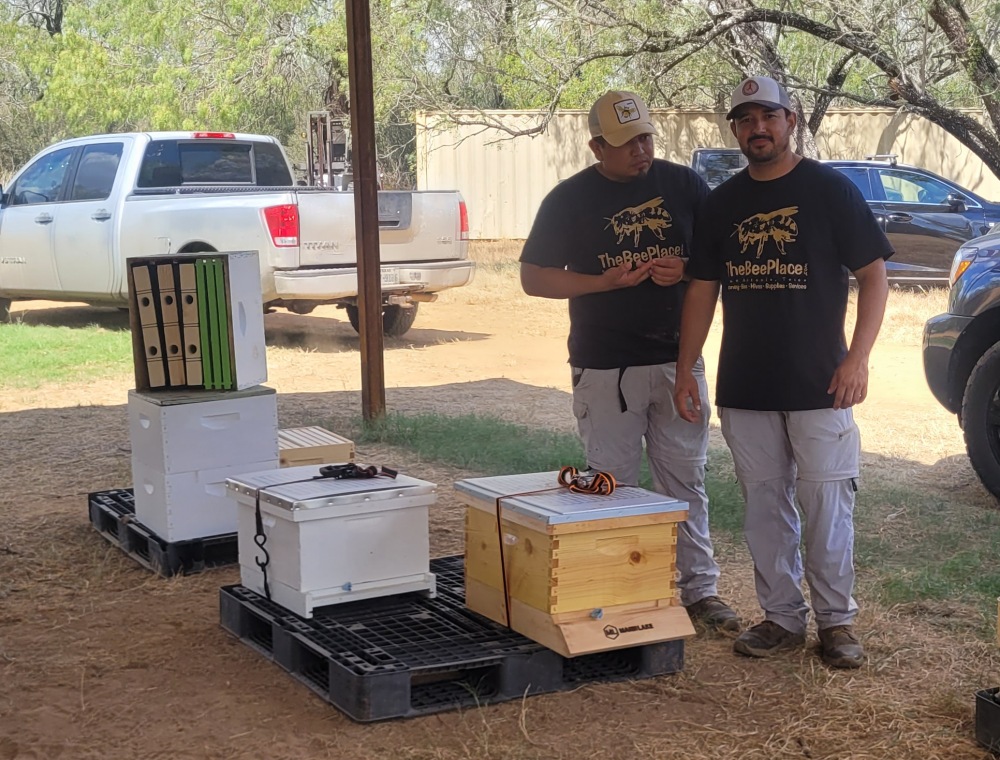
- Use ratchet straps or similar restraints for nucs and loose boxes.
- Complete hives are typically heavy enough to remain stable without strapping.
- Keep bees shaded during short stops whenever possible.
Short fuel stops are not a concern, but extended stops require additional attention to airflow and temperature.
Extended Stops and Emergencies
In the event of an extended stop, such as a flat tire or unexpected delay, additional steps may be needed to keep bees cool.
- Maintain airflow around the hive or nuc.
- Lightly mist bees with water if needed, using ventilation openings or screened bottoms.
- Avoid soaking the bees or creating standing water.
Once you arrive at your destination, allow the bees to resume normal ventilation as soon as possible.
