

About The Drones

The Drones: The Hive’s Flying Bachelors
Drones are the only male bees in the colony — big, handsome, and completely focused on one thing: finding a queen to mate with.
What makes them special?
While worker bees do all the heavy lifting (foraging, nursing, cleaning, guarding), drones just hang out, get fed by the workers, and wait for the perfect sunny afternoon to fly out and cruise the “drone congregation areas” high in the sky. That’s where they hope to meet a virgin queen from another hive.
Here’s what makes them special:
- They develop from unfertilized eggs, so they have only a mother (the queen) and no father — pure drone DNA.
- Huge eyes, chunky bodies, and no stinger — they’re literally built for romance, not work or defense.
- They can’t collect pollen or nectar and have no wax glands, so they rely 100 % on the workers to feed them.
- In peak season a strong hive may raise 500–2,000 drones — nature’s way of making sure queens have plenty of genetic options.
- Once they successfully mate, they die (their reproductive organs literally explode on takeoff — nature is wild).
- In late summer or fall, when resources get tight, the workers kick them out of the hive — a tough but necessary “drone eviction” to save honey for winter.
The drones don’t run the hive and they don’t make honey, but they’re the reason every new queen carries fresh genetics from other colonies. Without them, queens couldn’t mate and the whole species would lose the genetic diversity that keeps colonies strong and healthy.
So yeah — the queen lays the eggs, the workers do the work, but the drones keep the family tree healthy and diverse. Every hive needs its gentlemen callers.


Why Drones Have Those Massive Eyes
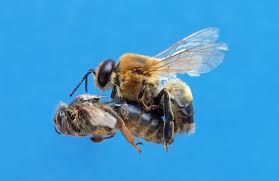
Drones have the biggest, bulkiest compound eyes of any bee in the hive — they literally wrap around most of their head like oversized sunglasses.
That’s no accident. Their one and only mission in life is to spot a virgin queen flying through the air at drone congregation areas (those invisible “singles bars” 30–100 feet up in the sky). Those huge eyes give them incredible motion detection and a super-wide field of view so they can pick out a fast-moving queen from dozens of feet away while zooming around at full speed.
Workers and queens don’t need that kind of vision — they work inside the hive or forage by smell. But for a drone? It’s all about romance at 30,000 feet. Nature gave them built-in dating goggles so they don’t miss their one shot.
Why Drones Are Varroa Mite Magnets
One of the biggest headaches drones bring to a hive is that they act like giant magnets for Varroa mites.
Here’s the main reason: drones take a full three days longer to develop than worker bees — 24 days from egg to adult instead of 21. That extra time happens mostly while they’re sealed inside the capped cell during the pupal stage. A female Varroa mite that sneaks into a drone cell before it gets capped has those extra three days to lay eggs, feed on the developing drone, and raise more baby mites. In a worker cell she might only produce 1–2 mature daughters; in a drone cell she can often raise 3–4. The longer “incubation period” gives the mites a much better chance to multiply inside the hive.
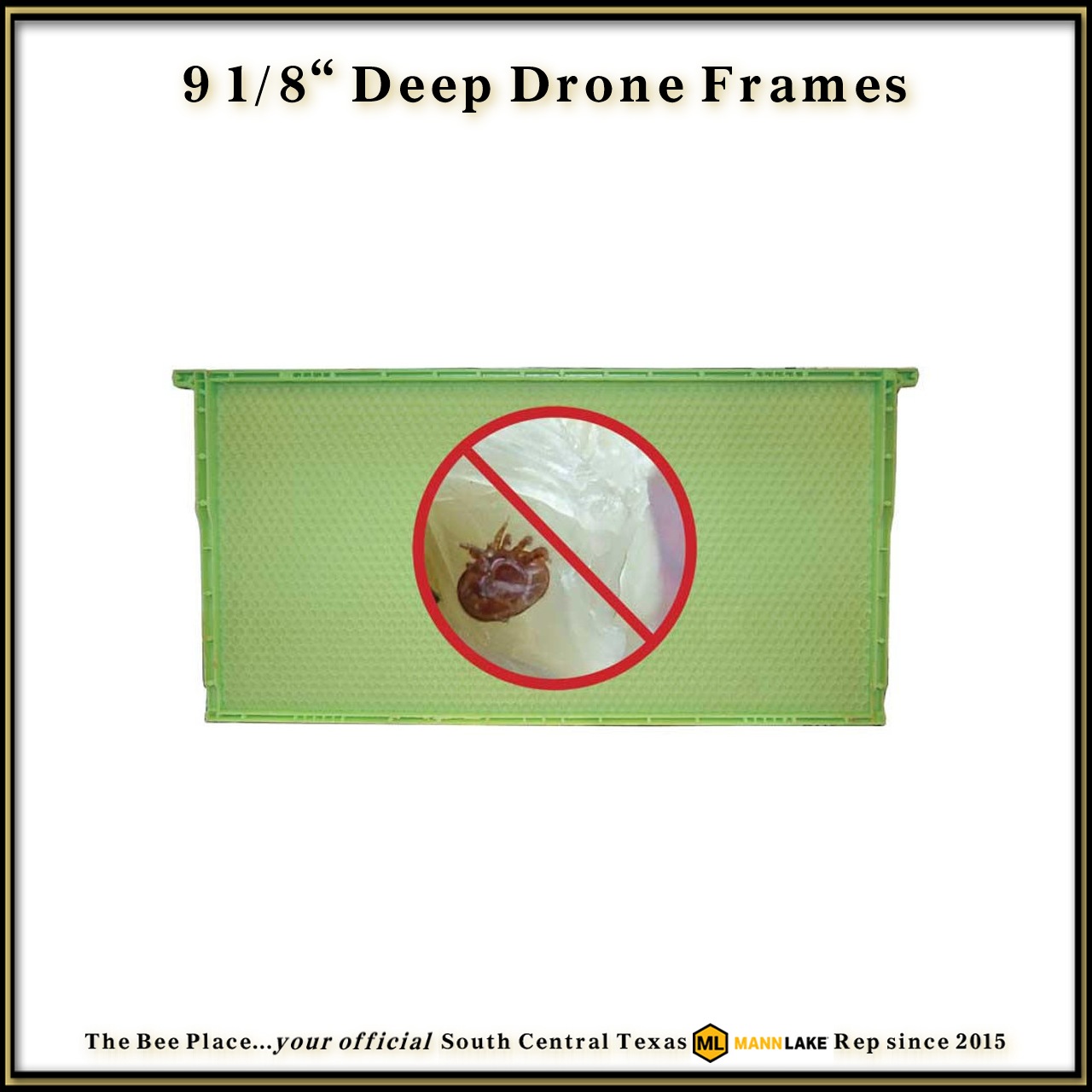
That’s why, during a Varroa check, you’ll almost always see the highest mite counts on drone brood. It’s not that the drones are weaker or doing anything wrong — it’s simple math: more days under the cap equals more baby mites coming out. Some beekeepers use this to their advantage by trapping mites on Drone Frames (drone brood removal), but it’s also a big reminder why keeping Varroa numbers low is so important for the whole colony.
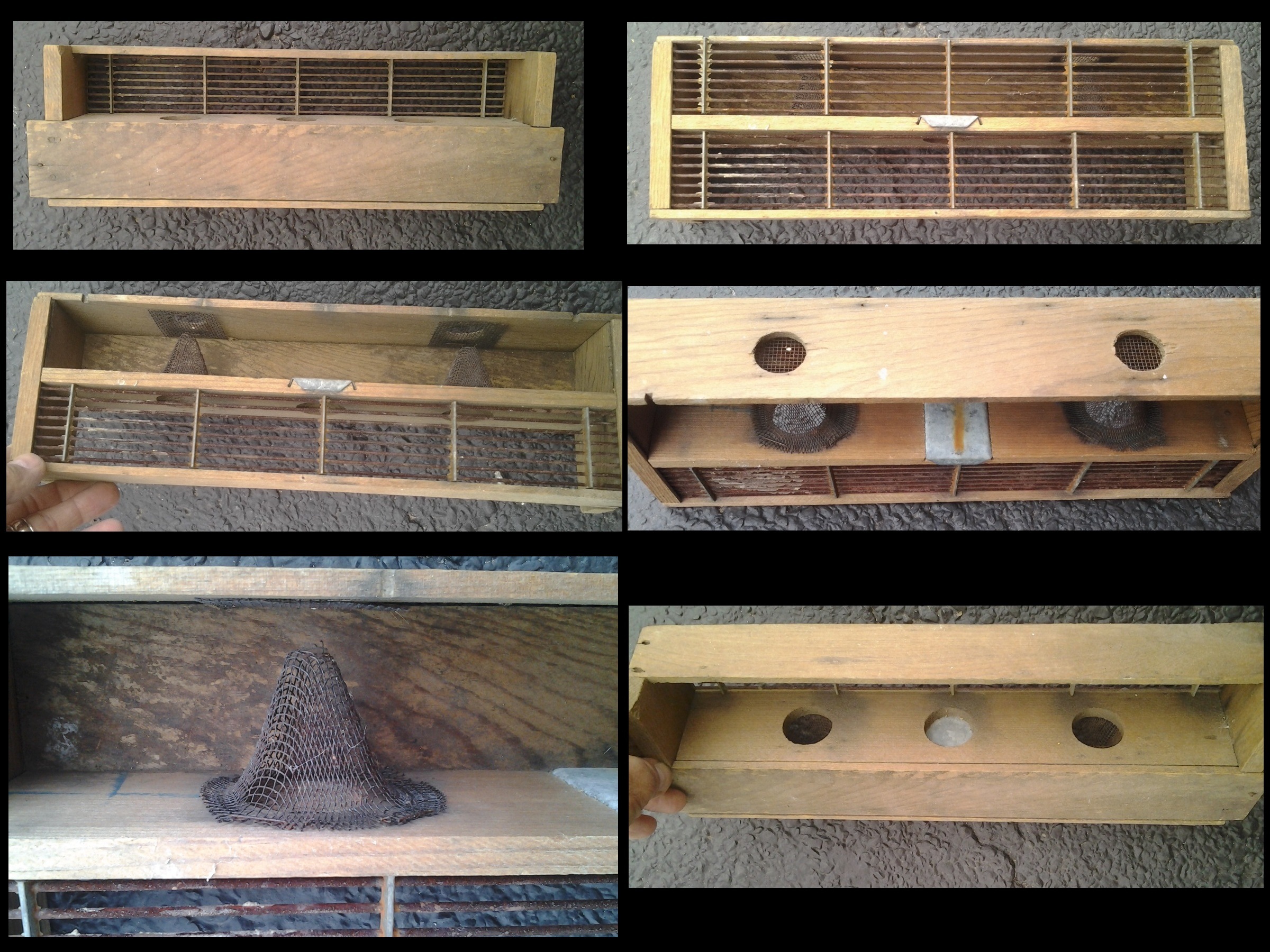
Drone Trapping System
These were in a box of old bee stuff that belonged to one of my late uncles. I believe it was from the early 70s, but not sure. I remember helping him extract honey and fool with the hives back in those days, but do not recall ever seeing him graft or trap drones.
